
Claim lodgement
Preparing and filing a native title determination application in the Federal Court, including connection evidence and claim group authorisation.
Practice Areas
David Saylor represents Traditional Owner groups in the Federal Court of Australia. Consent determinations, contested hearings and sea country claims across Queensland and Australia.
A native title claim is an application to the Federal Court of Australia for a determination that native title exists over a particular area of land or waters. David Saylor has guided Traditional Owner groups through every stage of the native title claims process in Australia since 2003.
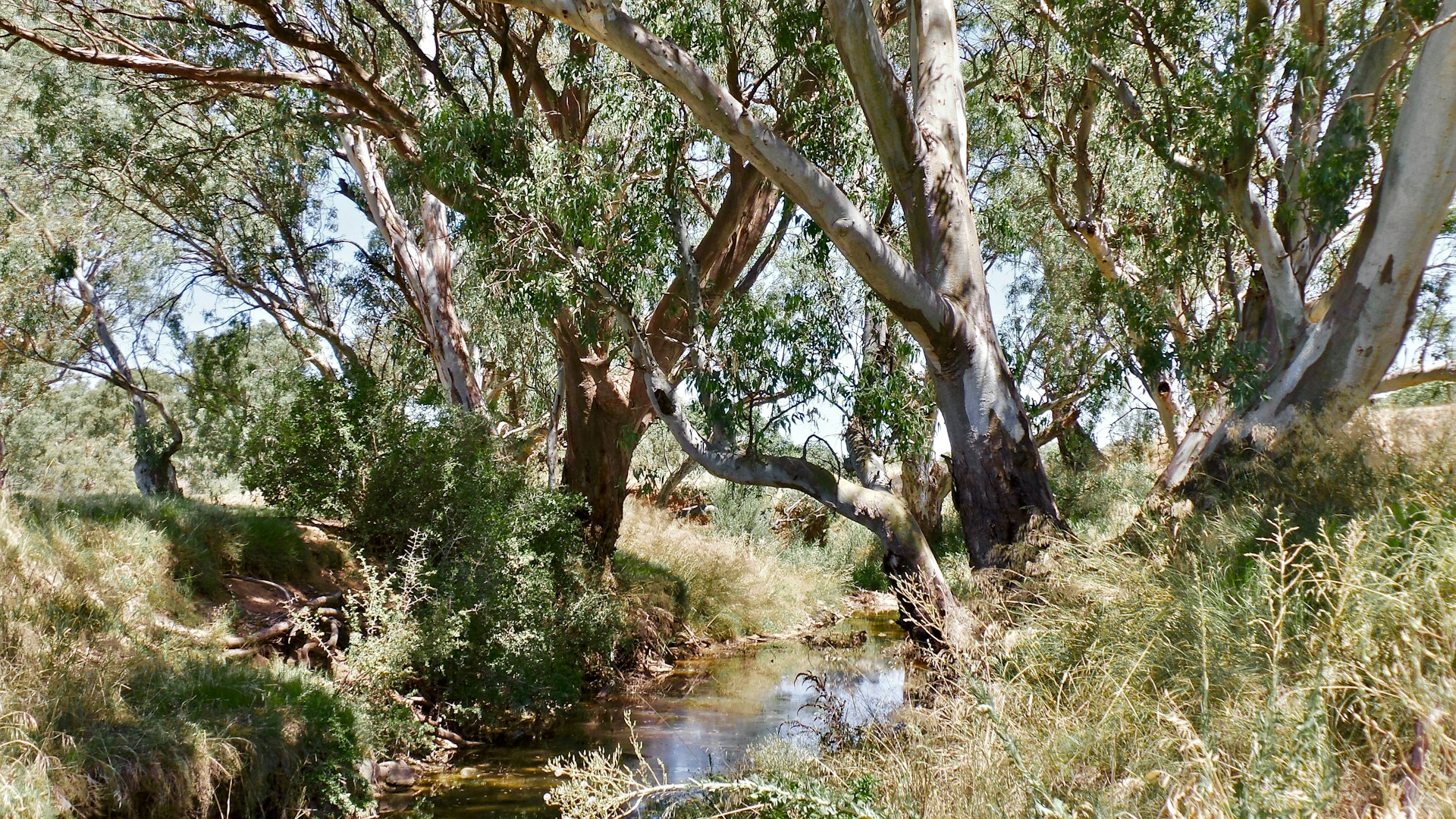
A native title claim is an application to the Federal Court of Australia for a formal determination that native title exists over a particular area of land or waters. The claim is made on behalf of a group of Aboriginal or Torres Strait Islander persons who assert that they hold native title rights and interests in the area under their traditional laws and customs, and that those rights have been maintained continuously since before British sovereignty.
A successful native title determination recognises those rights as a matter of Australian law. It does not create new rights; it acknowledges rights that have existed since time immemorial.
Native title in Australia is recognised under the Native Title Act 1993 (Cth), and sits alongside the broader framework of Aboriginal land rights and Indigenous land rights. Saylor Legal acts in native title claims Australia-wide, representing Traditional Owner groups from the first steps of a claim through to determination.
Before a claim is filed, the claim group must be properly identified and authorised. Authorisation means that the members of the claim group have agreed to the claim and authorised the named applicants to act on their behalf.
Connection evidence must also be gathered. This is typically the most time-consuming part of the process and involves working with Traditional Owners, anthropologists and historians to compile a body of evidence demonstrating the claim group’s traditional laws, customs, and ongoing connection to the determination area.
Once filed with the Federal Court, the application is registered by the National Native Title Tribunal. Registration gives the claim group procedural rights over future acts in the claim area, including the right to negotiate with proponents about activities that may affect their native title.
The Federal Court then directs the matter to mediation, conducted by a Judicial Registrar. Most matters proceed through a period of negotiation with the State, local governments and any private respondents before reaching a resolution.
The majority of successful native title outcomes are achieved by consent determination. This means all parties, including the State of Queensland, agree that native title exists over the area. The Federal Court makes orders on the agreed terms, often with the determination held on country.
David Saylor has represented claim groups in consent determinations across North Queensland and the Torres Strait. The Widi People consent determination in July 2019, held on country after a claim was lodged in 2006, is one example of the kind of long-term commitment these matters require.
Where agreement cannot be reached, the matter proceeds to a contested hearing before the Federal Court. The claim group must prove their case on the evidence. David has the Federal Court experience required to take matters to hearing when that is what the situation requires.
David has been the solicitor on the record for two successful and landmark native title decisions: the Torres Strait Seas Claim (Part A) (2009) and the Gaangalu Full Court (2025) appeal decision.
Native title can extend to sea country: coastal waters, the seabed, sub-surface rights, and offshore areas. Sea country claims follow the same framework as land claims, but demonstrating connection to the sea under traditional law and custom requires particular care. For Traditional Owner groups along the Queensland coast and in the Torres Strait, legal recognition of native title sea rights is fundamental to their relationship with Country.
The rights conferred by a native title determination depend on what the determination says. They can include:
Non-exclusive native title coexists with other interests and does not exclude the general public or existing tenures.
If you represent a Traditional Owner group considering a native title claim, or if you have an active matter and want a second opinion, speak with David Saylor. He will tell you plainly what he sees and what the realistic options are.
Call (07) 4431 0074 or 0474 244 447, or email david@saylorlegal.com.au.
Preparing and filing a native title determination application in the Federal Court, including connection evidence and claim group authorisation.
Negotiating with the State and other respondents to reach an agreed determination without a contested hearing.
Asserting native title rights over sea country, offshore waters, the seabed and sub-surface rights under the Native Title Act 1993.
Assisting claim groups to gather, organise and present the Traditional Owner evidence, anthropological and historical evidence required to demonstrate connection.
A native title claim typically takes between 3 and 10 years from lodgement to determination, depending on complexity and whether the matter proceeds by consent or is contested. Consent determinations are significantly faster when all parties reach agreement.
Yes. Native title can be recognised over sea country, including offshore waters, the seabed and sub-surface rights, provided connection under traditional law and custom is demonstrated.
A consent determination is an agreed outcome where all parties accept that native title exists. It avoids a contested hearing and is the most common pathway to a positive determination.
Claims require connection evidence demonstrating that the claim group has maintained their traditional laws and customs and connection to the area from before British sovereignty to the present. This typically includes Traditional Owner evidence, anthropological reports, historical records and oral evidence from Elders and knowledge holders.
How long does a native title claim take in Australia?
A native title claim in Australia typically takes between 3 and 10 years from lodgement to determination. David Saylor explains the key stages and what affects the timeline.
Can native title cover sea country in Australia?
Native title can be recognised over sea country, including coastal waters and the seabed. David Saylor explains how sea country claims work and what Traditional Owners must demonstrate.